Why Am I Never Tired at Night? (The Real Reasons You're Wired When You Should Be Sleepy)
Discover the science behind why you feel alert at bedtime and get practical solutions to reset your natural sleep drive tonight.
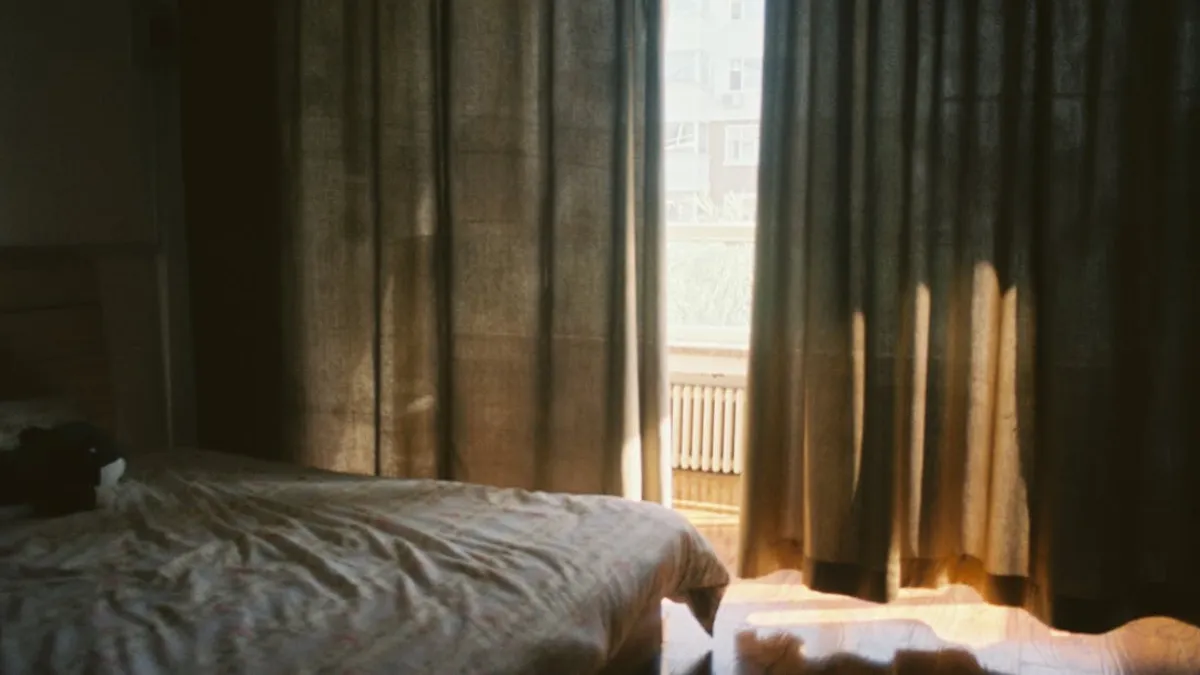
You crawl into bed at 10 PM, expecting to drift off like a normal human being. Instead, your mind starts planning tomorrow's presentation, replaying that awkward conversation from lunch, and somehow calculating whether you have enough laundry detergent to last the week. Your body feels like it just had three espressos, even though your last coffee was at noon.
This isn't insomnia in the traditional sense — you're not anxious about sleep itself. You're just... not tired at night when you should be. Your internal clock seems to be running on a completely different schedule than the rest of the world.
The frustrating truth is that being "not tired at night" has become epidemic. A 2023 study from the Sleep Research Society found that 43% of adults report feeling most alert during hours when they should naturally feel sleepy, with the peak alertness window shifting later each decade of life.
Key Takeaway: Your evening alertness isn't a character flaw or sign of a serious sleep disorder — it's usually your circadian rhythm responding predictably to modern lifestyle factors like insufficient morning light, late-day stimulants, or a naturally delayed sleep phase that's fighting against social expectations.
What Actually Controls Your Sleep Drive
Your ability to feel tired at night depends on two biological systems working in harmony: your circadian rhythm (your internal 24-hour clock) and your homeostatic sleep drive (the pressure to sleep that builds throughout the day).
Think of sleep drive like a gas tank running on empty — the longer you're awake, the more pressure builds to refuel with sleep. For most people, this pressure becomes overwhelming after 14-16 hours of wakefulness. If you wake up at 7 AM, you should naturally feel sleepy around 9-11 PM.
But here's where it gets complicated: your circadian rhythm has its own schedule. Even when your sleep drive is high, your internal clock might be sending "stay awake" signals if it thinks it's still daytime. This creates the maddening experience of feeling mentally exhausted but physically wired.
Your circadian clock takes its cues primarily from light exposure. Bright light in the morning advances your clock (makes you sleepy earlier), while bright light in the evening delays it (keeps you alert longer). The problem is that modern life floods us with the wrong light at the wrong times.
Dr. Russell Foster's research at Oxford University shows that people who get less than 30 minutes of morning sunlight typically experience a 2-3 hour delay in their natural bedtime, regardless of how tired they feel. Your brain literally doesn't know when night begins.
The Six Hidden Culprits Behind Your Evening Energy
Late-Day Caffeine (Even When You Don't Feel It)
Caffeine has a half-life of 5-7 hours, meaning that afternoon coffee at 2 PM still has 25% of its stimulating power at 9 PM. You might not feel jittery, but your adenosine receptors — the ones that signal sleepiness — are still partially blocked.
A 2024 study in the Journal of Clinical Sleep Medicine found that people who consumed caffeine after 2 PM took an average of 45 minutes longer to fall asleep, even when they reported feeling "tired" at bedtime. The caffeine wasn't preventing tiredness; it was preventing the brain from recognizing its own tiredness.
Insufficient Morning Light Exposure
Your circadian clock needs a strong light signal within the first hour of waking to set your 24-hour rhythm. Most indoor lighting maxes out around 500 lux, while your circadian system needs at least 1,000 lux to register "morning has arrived." Even a cloudy day outside provides 10,000 lux.
Without this morning signal, your brain assumes the day is starting later than it actually is, which pushes your natural bedtime later. This is why shift workers and people who work in windowless offices often struggle with delayed sleep phase.
Evening Blue Light (But Not Just From Screens)
LED bulbs, which now dominate home lighting, emit significantly more blue light than the incandescent bulbs they replaced. Your retinal ganglion cells are exquisitely sensitive to blue light between 460-480 nanometers — exactly the spectrum that modern LEDs pump out.
The issue isn't just your phone. Your kitchen lights, bathroom vanity, and even your reading lamp are sending "daytime" signals to your brain well into the evening. Research from Harvard Medical School shows that exposure to bright indoor lighting after 8 PM can delay melatonin production by up to 3 hours.
Strategic Napping Gone Wrong
A 20-minute power nap can be restorative without affecting nighttime sleep, but naps longer than 30 minutes or taken after 3 PM start to satisfy your daily sleep need. Your homeostatic sleep drive — that building pressure to sleep — gets partially released during the nap.
This is particularly problematic for people who nap after work to "recharge" for evening activities. You're essentially taking the edge off your sleepiness right when you need it to be building toward bedtime.
Sedentary Lifestyle and Low Body Temperature
Physical activity raises your core body temperature during the day, and the subsequent cooling in the evening helps trigger sleepiness. People who sit for most of the day often have a flatter temperature curve — their body temperature doesn't rise much during the day, so there's no significant cooling to signal bedtime.
Additionally, regular exercise increases the amount of slow-wave sleep (deep sleep) you need, which strengthens your sleep drive. Sedentary individuals often have lower sleep pressure, making it harder to feel genuinely tired at a reasonable hour.
Vitamin D Deficiency and Seasonal Changes
Vitamin D receptors are present throughout your brain's circadian control centers. Low vitamin D levels, which affect an estimated 42% of U.S. adults as of 2024, can disrupt your circadian rhythm and delay your natural sleep phase.
This is why many people notice their sleep problems worsen during winter months, even with consistent sleep hygiene. Your brain needs adequate vitamin D to properly respond to light-dark cycles.
How to Diagnose Your Specific Pattern
Before jumping into solutions, spend one week tracking these variables to identify your primary issue:
Morning light exposure: Note the time you first see bright light (outdoor light or 10,000+ lux lamp) and for how long.
Caffeine timing: Record every caffeinated beverage and when you consumed it, including hidden sources like chocolate and some medications.
Evening light environment: Rate your evening lighting from 1-10 (1 = dim candles, 10 = bright overhead LEDs) and note screen time after 8 PM.
Physical activity: Track when you exercise and your general activity level throughout the day.
Nap patterns: Record any daytime sleep, even brief "rest periods" where you close your eyes.
Natural energy peaks: Note when you feel most alert and when you first start feeling even slightly sleepy.
Most people discover one or two clear patterns. The classic delayed sleep phase person feels energetic from 8-11 PM and naturally wants to sleep around midnight or later. The light-exposure person feels tired around 9 PM but gets a "second wind" that lasts until 11 PM or beyond.
The Morning Light Reset Protocol
The most effective single intervention for people who aren't tired at night is aggressive morning light exposure. This works because it anchors your circadian rhythm to an earlier schedule, which naturally makes you sleepy earlier in the evening.
Within 30 minutes of waking, get 10-15 minutes of direct outdoor light exposure. If it's sunny, 10 minutes is sufficient. On cloudy days, aim for 20-30 minutes. If outdoor exposure isn't possible, use a 10,000 lux light therapy lamp for 20-30 minutes while having breakfast or checking email.
The key is consistency — your circadian clock needs this signal at roughly the same time every day, including weekends. Most people see improvement within 3-5 days, with full adjustment taking 1-2 weeks.
Dr. Jamie Zeitzer's research at Stanford shows that people who implement morning light therapy advance their bedtime by an average of 47 minutes within one week, with 78% reporting improved sleep onset by day 10.
For this to work, you also need to dim your environment after sunset. Use warm-toned bulbs (2700K or lower) in the evening, and consider blue light blocking glasses if you need to use screens after 8 PM.
Strategic Caffeine Management
If you're not ready to eliminate afternoon caffeine entirely, at least establish a hard cutoff time based on your desired bedtime. For a 10 PM bedtime, your last caffeine should be no later than 12 PM. For an 11 PM bedtime, 2 PM is your limit.
Pay attention to hidden caffeine sources: green tea, chocolate, some pain relievers, and even decaf coffee (which contains 2-5mg of caffeine per cup). These small amounts can add up if you're particularly sensitive.
Some people find success with a "caffeine taper" approach — gradually moving their last coffee earlier by 30 minutes each week until they reach their target time. This prevents the withdrawal headaches that can make the transition miserable.
Building Natural Sleep Drive
The goal is to increase your homeostatic sleep pressure through strategic activity and temperature regulation. Morning or early afternoon exercise works better than evening workouts for this purpose, as it raises your daytime body temperature without interfering with the evening cooling process.
If you must exercise in the evening, finish at least 3 hours before bedtime and take a cool shower afterward to help trigger the temperature drop that signals sleepiness.
For sedentary workers, even adding a 15-minute walk during lunch can improve evening sleepiness. The key is raising your activity level during daylight hours, not necessarily intense exercise.
Consider addressing potential sleep onset insomnia if you find that even with proper sleep drive, your mind races when you hit the pillow. Sometimes the issue isn't lack of tiredness but anxiety about the sleep process itself.
When to Consider Professional Help
Most people can reset their evening alertness with consistent light management and caffeine timing, but some situations require medical evaluation:
- You feel wide awake until 2 AM or later despite following sleep hygiene for 3+ weeks
- Your natural sleep time keeps drifting later each night (non-24-hour sleep-wake disorder)
- You experience morning depression or extreme difficulty waking, even with adequate sleep
- Your work schedule requires sleep at times that feel impossible for your body
These patterns might indicate delayed sleep phase syndrome, advanced sleep phase syndrome, or other circadian rhythm disorders that respond well to targeted light therapy and sometimes melatonin under medical supervision.
CBT-I explained approaches can also help if your evening alertness has developed into anxiety about bedtime or chronic sleep onset difficulties.
Frequently Asked Questions
Why cant I fall asleep when Im exhausted? Mental exhaustion doesn't equal physical sleep readiness. Your brain might be tired from decision-making while your body's circadian clock still thinks it's daytime, especially if you haven't had enough morning light exposure or you've consumed caffeine after 2 PM.
How long should it take to fall asleep? Healthy sleep onset typically takes 10-20 minutes. Falling asleep in under 5 minutes often indicates sleep deprivation, while taking over 30 minutes consistently suggests sleep onset insomnia or circadian rhythm issues.
Should I get out of bed if I cant sleep? Yes, after 20-30 minutes of lying awake. Go to another room and do a quiet, non-stimulating activity until you feel sleepy. This prevents your brain from associating your bed with wakefulness and frustration.
Is it normal to feel more energetic at night? Some energy increase is normal around 6-8 PM due to your circadian rhythm, but feeling wide awake past 10 PM regularly suggests delayed sleep phase syndrome or poor sleep hygiene habits that need addressing.
Can napping make me not tired at night? Yes, naps longer than 20 minutes or taken after 3 PM reduce your sleep drive by satisfying part of your daily sleep need. This makes it harder to fall asleep at your intended bedtime.
Your next step is deceptively simple: tomorrow morning, within 30 minutes of waking up, spend 15 minutes outside without sunglasses. If the weather doesn't cooperate, sit by the brightest window in your home. Do this for one week while cutting off caffeine by 2 PM, and track when you first feel sleepy each evening. Most people see a noticeable shift by day 4. (For more, see Week 3: caffeine audit.)
Frequently asked questions
Keep going
Science-backed help, delivered daily. No gadget reviews, no affiliate links. Just what works.
Sleep better tonight.
One short, practical email a day with real sleep science and techniques you can use before bed. Unsubscribe anytime.
Keep reading
The Cortisol Awakening Response: Why Your Body Wakes You at 3 AM
Your cortisol awakening response may be firing hours too early, jolting you awake at 3-4 AM. Here's the science behind early morning insomnia and how to fix it.

Advanced Sleep Phase: Why You Go to Bed at 8 and Wake at 4 AM
Advanced sleep phase makes you sleepy at sunset and wide awake before dawn. Here's what causes this circadian timing disorder and how to treat it.
Waking Up at 4am With Depression: When Early Rising Signals More Than Poor Sleep
Early morning awakening at 4am can be a key sign of depression. Learn the science behind diurnal mood variation and evidence-based treatments.
Why Seniors Wake Up at 4am (And What Actually Helps)
Advanced sleep phase disorder affects 25% of adults over 65. Here's why your internal clock shifts earlier with age and evidence-based fixes that work.