Advanced Sleep Phase: Why You Go to Bed at 8 and Wake at 4 AM
Advanced sleep phase makes you sleepy at sunset and wide awake before dawn. Here's what causes this circadian timing disorder and how to treat it.
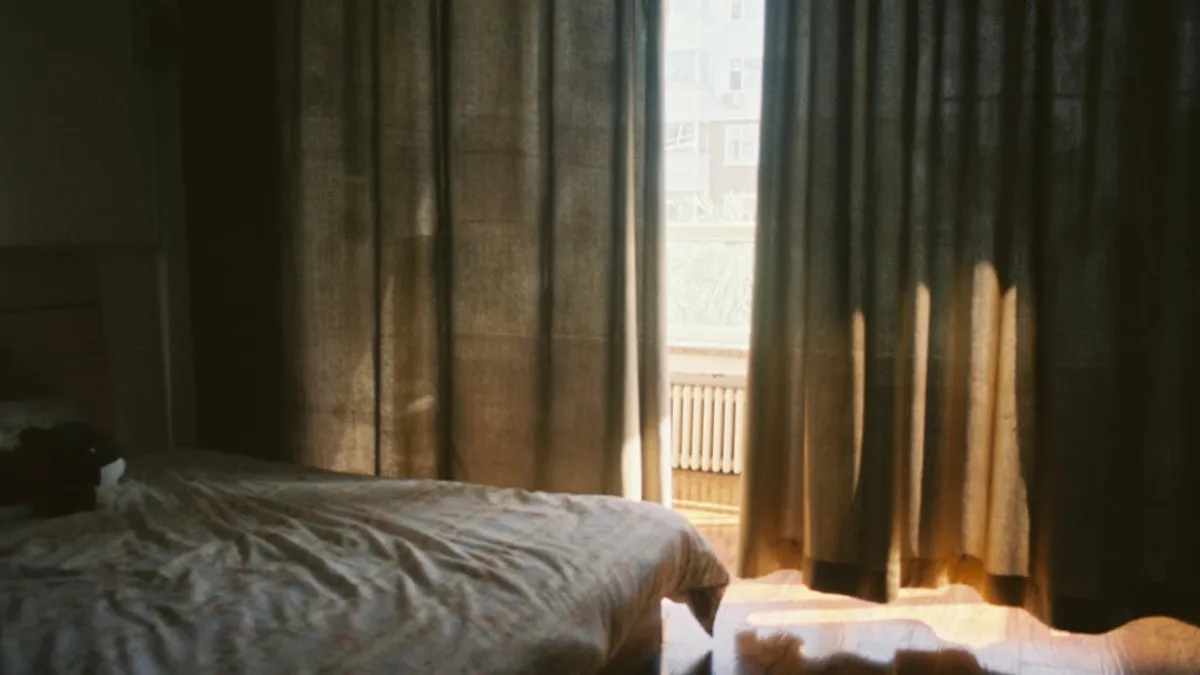
Your friends think you're 85 years old. You're yawning through dinner at 7 PM while they're just getting started, and when they text you at 11 PM, you've been asleep for three hours. Meanwhile, you're fully alert at 4 AM, watching the world slowly wake up around you.
You have advanced sleep phase disorder (ASWPD), and you're not alone — though it might feel like it when you're the only person awake at dawn.
Advanced sleep phase disorder shifts your entire circadian rhythm 3-4 hours earlier than the typical sleep-wake cycle. While most adults naturally fall asleep between 10 PM and midnight, your body demands sleep by 6-8 PM. And while they're hitting snooze at 6 AM, you've been awake since 3 or 4 AM, genuinely refreshed and ready for the day.
This isn't about being a "morning person." Morning people might prefer waking at 6 AM but can stay up until 10 PM for social events without major difficulty. With ASWPD, your sleep drive is so strong by early evening that fighting it feels like trying to stay awake during a fever.
Key Takeaway: Advanced sleep phase disorder is a legitimate circadian rhythm disorder, not a lifestyle choice. Your body's internal clock runs 3-4 hours ahead of social time due to genetic factors or age-related changes in brain chemistry.
What Causes Advanced Sleep Phase Disorder
Advanced sleep phase stems from your body's internal timekeeping system running fast. Your suprachiasmatic nucleus — the brain's master clock — releases melatonin and drops core body temperature hours earlier than typical.
Genetic mutations drive the most severe cases. Familial Advanced Sleep Phase Syndrome (FASPS) runs in families and links directly to mutations in clock genes. The most studied is a mutation in the Per2 gene, discovered in a Utah family where multiple generations went to bed at 7:30 PM and woke at 4:30 AM year-round. Other genetic variants affect the hCry2 gene and casein kinase I delta (CK1δ), all of which speed up your molecular clock.
Research published in Sleep Medicine Reviews in 2023 found that people with genetic advanced sleep phase have circadian periods averaging 23.3 hours instead of the typical 24.1 hours. That 45-minute daily difference compounds over time, pulling your sleep schedule progressively earlier.
Age is the second major factor. About 1% of younger adults have advanced sleep phase, but this jumps to 7-25% in adults over 65. Aging weakens the circadian system in several ways: your eyes become less sensitive to light, melatonin production shifts earlier, and the suprachiasmatic nucleus loses neurons that help maintain proper timing.
Winter worsens the condition for many people. Shorter daylight hours and reduced light exposure can advance your phase even further. If you notice your bedtime creeping earlier as the days get shorter, this seasonal pattern supports an advanced sleep phase diagnosis.
Try the Circadian Rhythm Calculator — build your personalized daily schedule for better sleep. Free, works in your browser, no signup.
How Advanced Sleep Phase Differs from Other Sleep Problems
Advanced sleep phase gets confused with other conditions, but the pattern is distinct once you know what to look for.
Depression causes early morning awakening, but the timing differs. People with depression typically fall asleep at a normal hour but wake between 2-4 AM and can't return to sleep. They feel tired and depressed during these early morning hours. With advanced sleep phase, you fall asleep very early but wake naturally refreshed at 3-5 AM, feeling alert and energetic.
Insomnia involves difficulty falling or staying asleep. Advanced sleep phase is the opposite — you fall asleep easily (often too easily) but at socially inconvenient times. Your total sleep time remains normal at 7-8 hours; it's just shifted earlier.
Normal early risers maintain social flexibility. A regular morning person can stay up until 10 PM for a movie night and function normally the next day. With advanced sleep phase, staying up past 8 PM feels like fighting against a powerful sedative, and you'll pay for it with days of disrupted sleep.
The key diagnostic feature is consistency. Your early bedtime and wake time remain stable across weekends, vacations, and social events. You're not choosing to sleep early — your body is demanding it.
The Social Cost of Living on Early Time
Advanced sleep phase creates genuine social isolation that goes beyond minor inconvenience. When your natural bedtime is 7 PM, you miss dinner parties, evening work events, your children's nighttime routines, and basic adult social life.
Many people with advanced sleep phase report feeling guilty about their sleep schedule. Family members might accuse them of being antisocial or using sleep as an excuse to avoid activities. Comments on advanced sleep phase Reddit threads consistently mention feeling "broken" or "weird" compared to normal sleepers.
The condition also creates practical challenges. Evening work meetings become difficult. Shift work is nearly impossible. International travel across time zones takes weeks longer to adjust compared to people with normal circadian timing.
Some people try to force a normal schedule by using caffeine to stay awake later or alcohol to fall asleep at conventional times. Both strategies backfire. Caffeine late in your day (which is early afternoon for most people) disrupts your already-fragile sleep quality. Alcohol might make you drowsy at 10 PM, but it fragments sleep and worsens early morning awakening.
Treatment Options That Actually Work
The goal isn't to completely normalize your sleep schedule — that's often impossible with genetic advanced sleep phase. Instead, treatment focuses on shifting your bedtime later by 1-2 hours to improve social functioning while working with your natural tendencies.
Evening bright light therapy is the most effective treatment. You need 10,000 lux of light for 2-3 hours before your current bedtime. If you currently get sleepy at 6 PM, use bright light from 3-6 PM. This gradually delays your circadian phase by suppressing early melatonin release.
Light boxes designed for seasonal affective disorder work well, but timing matters more than most people realize. Using bright light too late (after you're already sleepy) won't help and might fragment your sleep. Start the light therapy 3-4 hours before your natural bedtime and maintain it consistently for 4-6 weeks to see results.
Chronotherapy involves gradually delaying your bedtime by 15-30 minutes every few days until you reach a more socially acceptable schedule. This works best under medical supervision, as the process can temporarily worsen sleep quality and daytime functioning.
Strategic light avoidance helps maintain your preferred schedule. Wear sunglasses or blue-light blocking glasses in the early morning hours (5-8 AM) to prevent light from advancing your phase even further. This is particularly important if you work early morning shifts or exercise outdoors at dawn.
Melatonin timing requires precision. Low-dose melatonin (0.5-1 mg) taken 5-6 hours before your desired bedtime can help delay your phase. But taking melatonin too early or in higher doses often backfires with advanced sleep phase, potentially making the problem worse.
When to Seek Professional Help
Consider seeing a sleep medicine physician if your early sleep schedule significantly impacts your work, relationships, or quality of life. A sleep doctor can distinguish advanced sleep phase from depression and sleep disorders that cause early awakening for different reasons.
Sleep specialists typically diagnose advanced sleep phase using sleep logs, actigraphy (wrist-worn activity monitors), and sometimes dim light melatonin onset testing. This testing measures exactly when your body starts producing melatonin, confirming whether your circadian rhythm truly runs early.
Some people benefit from combining light therapy with carefully timed meals, exercise, and social activities to reinforce a slightly later schedule. A sleep medicine doctor can design a comprehensive treatment plan that addresses your specific pattern and lifestyle needs.
Advanced sleep phase is one of several circadian rhythm disorders that affect timing rather than sleep quality. Getting an accurate diagnosis helps distinguish it from other conditions and guides appropriate treatment.
Living Successfully with Advanced Sleep Phase
Many people with advanced sleep phase find that partial treatment works better than attempting complete normalization. Shifting your bedtime from 6 PM to 8 PM and wake time from 3 AM to 5 AM can dramatically improve social functioning while respecting your natural biology.
Consider restructuring your daily schedule around your natural energy patterns. Your peak alertness occurs in the early morning hours when most people are still groggy. Use this time for important work, exercise, or creative projects. Schedule social activities for lunch or early afternoon when you're still alert but others are available.
Some careers actually suit advanced sleep phase well: morning radio hosts, bakers, hospital staff working early shifts, or jobs requiring pre-dawn travel. Rather than fighting your circadian rhythm, you might find opportunities that reward your natural schedule.
The key insight is that advanced sleep phase isn't a sleep disorder you need to cure — it's a circadian variant you need to understand and work with intelligently.
Frequently Asked Questions
Is early morning awakening a sign of depression? Early morning awakening can signal depression, but advanced sleep phase disorder causes consistent early sleep and wake times year-round. Depression typically disrupts sleep quality and causes mood changes during the day.
How early is too early to wake up? Waking before 4 AM consistently, especially if you feel sleepy before 8 PM, suggests advanced sleep phase disorder rather than normal early-bird tendencies.
Can I fix early morning awakening? Yes, evening bright light therapy (10,000 lux for 2-3 hours before your current bedtime) can gradually shift your sleep later by 30-60 minutes per week.
Why do older adults go to bed so early? Aging weakens circadian signals and reduces light sensitivity, naturally advancing sleep phase. About 25% of adults over 65 experience some degree of advanced sleep phase.
Is advanced sleep phase genetic? Yes, familial advanced sleep phase syndrome is linked to mutations in clock genes like Per2, hCry2, and CK1δ, causing the condition to run in families.
Track your current sleep and wake times for two weeks, then try evening bright light therapy starting 3 hours before your natural bedtime. Use a 10,000 lux light box for 2 hours daily and monitor whether your bedtime gradually shifts later over the next month.
Frequently asked questions
Keep going
Science-backed help, delivered daily. No gadget reviews, no affiliate links. Just what works.
Sleep better tonight.
One short, practical email a day with real sleep science and techniques you can use before bed. Unsubscribe anytime.
Keep reading

Waking Up Before Your Alarm Every Day? Here's What Your Body Is Telling You
Is waking up before your alarm good or bad? Sleep doctor explains when it's healthy circadian rhythm vs concerning sleep fragmentation.

Early Morning Awakening: When You Wake Too Early and Can't Get Back to Sleep
Early morning awakening affects 75% of people with depression and signals deeper sleep architecture problems. Here's what waking at 4 AM actually means.

I Sleep 8 Hours But Still Feel Tired: The Hidden Culprits
Getting 8 hours but still exhausted? Sleep apnea, fragmented architecture, and circadian misalignment are often to blame. Here's how to identify the real problem.

Sleep Onset Latency: The Number That Tells You If It's Actually Insomnia
Sleep onset latency measures how long you take to fall asleep. Here's what normal timing looks like and when yours signals real insomnia.