Blue Light and Sleep: What the Science Actually Says About Your Screens
The research on blue light blocking glasses is mixed, but your phone's brightness matters more than you think. Here's what sleep medicine actually shows.
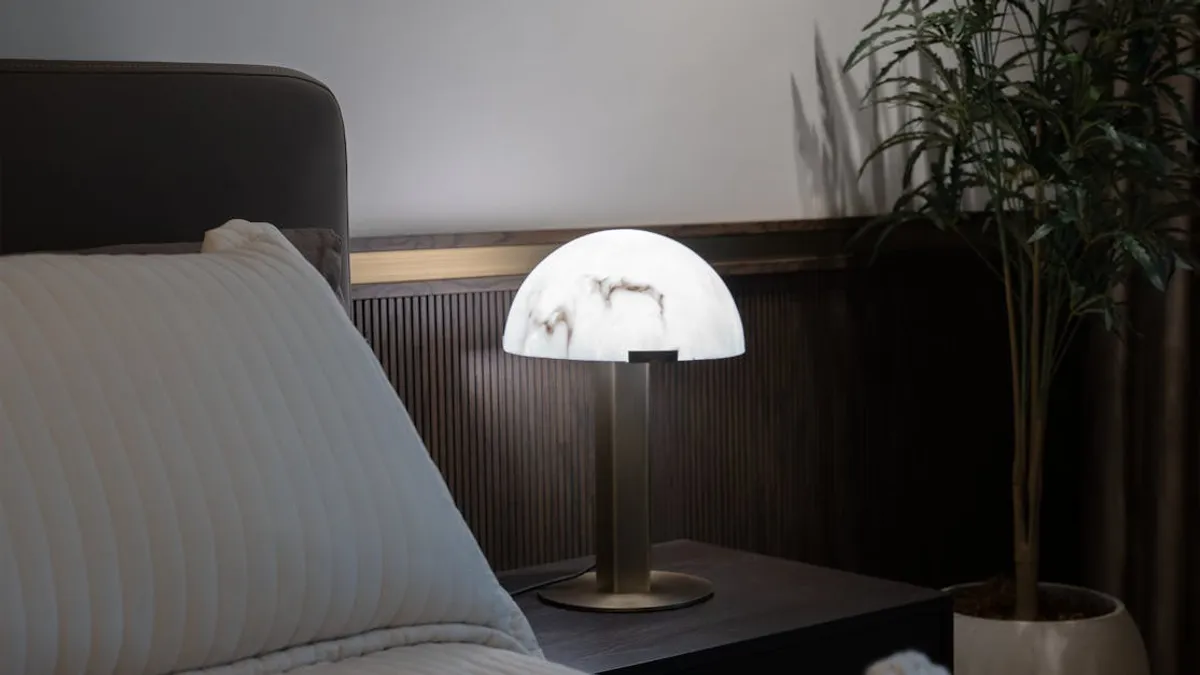
Your bedroom is dark. Your phone is on night mode. You are wearing those amber glasses you bought after reading three different articles about blue light. And you are still wide awake at 11:47 p.m., wondering if any of this actually works or if you have been sold expensive placebos.
The blue light conversation has become a mess of marketing claims and half-understood research. Some sources treat your evening phone use like you are staring directly into the sun. Others dismiss blue light concerns entirely, as if the wavelength of light hitting your eyes at night makes no biological difference at all.
The truth sits somewhere between these extremes, and it is more nuanced than most articles suggest. Your circadian system does respond to specific wavelengths of light in measurable ways. But the solutions being sold to fix this problem often miss the bigger picture of how light actually affects your sleep.
The Biology Behind Blue Light and Sleep
Your eyes contain specialized cells called intrinsically photosensitive retinal ganglion cells (ipRGCs). These cells contain a photopigment called melanopsin, which is most sensitive to blue light around 480 nanometers. When melanopsin detects this wavelength, it sends signals to your brain's master clock in the suprachiasmatic nucleus, essentially saying "it is daytime."
This signal cascades through your endocrine system, suppressing melatonin production from your pineal gland. Melatonin is not just a sleep hormone — it is your body's primary circadian timing signal, coordinating everything from body temperature to cortisol release.
The key finding that changed how sleep researchers think about evening light exposure came from studies showing melatonin suppression at surprisingly low light levels. Research by Zeitzer and colleagues found that as little as 30 lux of blue-rich light could suppress melatonin production by 50%. To put that in perspective, 30 lux is dimmer than most indoor lighting and significantly dimmer than a smartphone screen at half brightness.
Key Takeaway: Your circadian system responds to blue light at levels much lower than previously thought. Even dim screens can suppress melatonin production, but the relationship between light exposure and actual sleep quality is more complex than simple cause and effect.
This biological sensitivity explains why the blue light conversation gained traction. Your melanopsin system evolved to distinguish day from night based on the spectral composition of sunlight, which is rich in blue wavelengths during daylight hours. Artificial light sources, particularly LED screens, emit concentrated blue light that can trigger this "daytime" signal even at night.
But here is where the story gets complicated: melatonin suppression does not automatically equal poor sleep. Some people can scroll through their phones until bedtime and fall asleep easily, while others find that even brief screen exposure keeps them wired for hours. Individual sensitivity varies dramatically, and other factors — stress, caffeine timing, bedroom temperature, underlying sleep disorders — often play larger roles in sleep quality than blue light exposure alone.
That said, if you suspect your evening screen habits are undermining your sleep — and you're ready to find out what life feels like without the constant digital pull — a structured 30-day phone detox with daily actionable steps can help you reclaim both your evenings and your sleep quality.
(For more, see Week 3: caffeine audit.) (For more, see Week 5: screen sunset.)
Try the Circadian Rhythm Calculator — build your personalized daily schedule for better sleep. Free, works in your browser, no signup.
What the Research Actually Shows About Blue Light Blocking
The evidence for blue light blocking interventions presents a frustratingly mixed picture. Some studies show clear benefits, others find minimal effects, and many suffer from methodological limitations that make definitive conclusions difficult.
Blue Light Blocking Glasses: The Evidence is Modest
The most comprehensive review of blue light blocking glasses for sleep came from Shechter and colleagues in 2018. They analyzed multiple studies and found that while some participants reported improved sleep quality when wearing blue light blocking glasses in the evening, the effects were generally modest and inconsistent across studies.
One well-designed study by Burkhart and Phelps followed 14 participants who wore either blue light blocking glasses or clear glasses for two hours before bedtime over two weeks. The blue light blocking group showed a 58-minute increase in sleep duration and reported feeling more alert the following morning. But the study was small, and larger follow-up studies have not consistently replicated these dramatic improvements.
The challenge with blue light blocking glasses research is that most consumer glasses block only a portion of blue light wavelengths. Many amber-tinted glasses block light below 450nm effectively but allow significant transmission of light in the 460-480nm range where melanopsin sensitivity peaks. This means they may provide some benefit but fall short of complete blue light elimination.
More concerning, some studies have found that people wearing blue light blocking glasses actually increased their evening screen time, potentially offsetting any circadian benefits with longer exposure to other sleep-disrupting content (work emails, social media, stimulating videos).
Night Mode and F.lux: Real But Limited Benefits
Software solutions like Night Shift, f.lux, and similar night mode features have more consistent research support, though the effects remain modest. These programs reduce blue light emission by shifting screen color temperature toward warmer (more red) wavelengths.
A controlled study by Nagare and colleagues measured melatonin levels in participants using tablets with and without night mode settings. They found that night mode reduced melatonin suppression by approximately 23% compared to standard screen settings. This is meaningful but far from complete protection.
The f.lux vs night shift comparison shows that different software implementations vary in their effectiveness. F.lux typically provides more aggressive blue light reduction than built-in night modes, particularly in its "darkroom" and "ember" settings that shift screens to deep red wavelengths.
But even the most aggressive software filters cannot eliminate all circadian disruption from screens. LED backlights still emit some blue wavelengths even when filtered, and screen brightness remains a significant factor independent of color temperature.
The Brightness Factor Everyone Ignores
Most blue light discussions focus exclusively on wavelength while ignoring intensity, but research shows that brightness matters as much as color. A dim blue light may cause less melatonin suppression than a bright warm light.
Studies by Chang and colleagues demonstrated that reducing screen brightness to 20% or lower significantly decreased melatonin suppression even without color temperature changes. Conversely, bright warm-tinted screens still suppressed melatonin production, just to a lesser degree than bright blue screens.
This finding has practical implications: dimming your screen to minimum comfortable brightness while using night mode provides better circadian protection than using night mode alone at higher brightness levels.
Screen Time and Sleep: Beyond Blue Light
The screen time and sleep relationship extends far beyond light wavelengths. Content matters enormously. Checking work emails triggers stress responses that can keep you awake regardless of screen color. Scrolling through social media provides intermittent variable rewards that activate dopamine pathways and make it harder to disengage.
Interactive content appears more disruptive to sleep than passive content. Playing mobile games or responding to messages requires active cognitive engagement that can increase cortisol and make the transition to sleep more difficult. Watching a familiar, calming video may have minimal sleep impact even on a bright screen.
The timing of screen use also matters more than most people realize. Using screens within 30 minutes of attempting sleep appears more disruptive than screen use 2-3 hours before bedtime, even with identical light exposure. This suggests that the immediate pre-sleep period may be particularly sensitive to circadian disruption.
The Real-World Effectiveness of Different Approaches
Complete Light Elimination vs. Partial Filtering
The most effective approach to preventing light-induced melatonin suppression is complete darkness. Studies consistently show that eliminating all light sources provides better circadian protection than any filtering method.
This means that blackout curtains, eye masks, and eliminating all electronic displays in the bedroom typically outperform blue light blocking glasses or night mode settings. If you are serious about optimizing your circadian rhythm, creating a completely dark sleep environment matters more than the specific wavelength of any remaining light.
Device-Specific Considerations
Different devices present different levels of circadian disruption based on their typical viewing distances and brightness capabilities:
Smartphones are held close to the face and often used at high brightness levels, making them potentially the most disruptive screens for evening use. Even with night mode enabled, the proximity and brightness can cause significant light exposure.
Tablets are typically held at arm's length and may be used at lower brightness settings, potentially reducing their circadian impact compared to phones.
E-readers vary dramatically. E-ink displays without backlights (like basic Kindle models) produce no blue light and cause minimal circadian disruption. Backlit e-readers are similar to tablets in their light output.
Televisions are viewed from greater distances, which reduces light intensity reaching your eyes. However, large screen sizes can still provide significant total light exposure, particularly in dark rooms.
Computer monitors present a middle ground, with moderate viewing distances and variable brightness settings. Using computer glasses or software filters may be most beneficial for people who must use computers in the evening for work.
Practical Strategies That Actually Work
The 3-2-1 Light Reduction Protocol
Instead of trying to eliminate all blue light instantly, gradually reduce your light exposure in the hours before bedtime:
3 hours before bed: Begin dimming overhead lights and switching to warmer light sources. Enable night mode on all devices you plan to use.
2 hours before bed: Reduce screen brightness to 30% or lower. Avoid interactive content like games, work emails, or stimulating videos.
1 hour before bed: Eliminate screens entirely or switch to activities that require minimal light (reading a physical book with a dim warm light, gentle stretching, meditation).
This gradual approach allows your circadian system to begin melatonin production without the abrupt transition from bright screens to complete darkness.
Smart Use of Blue Light Blocking Tools
If you need to use screens in the evening, combine multiple strategies for maximum effectiveness:
Use software filters (night mode, f.lux) AND reduce brightness to minimum comfortable levels. The combination provides better protection than either approach alone.
If you choose blue light blocking glasses reviewed, look for models that block wavelengths up to 480nm, not just 450nm. Amber or red-tinted lenses typically provide better protection than clear "blue light" lenses.
Position screens farther from your face when possible. Light intensity follows an inverse square law — doubling your distance from a screen reduces light exposure by 75%.
Environmental Modifications That Matter More
Your bedroom environment has a bigger impact on sleep quality than your evening screen habits:
Temperature: Keep your bedroom between 60-67°F (15-19°C). Core body temperature naturally drops before sleep, and a cool environment supports this process.
Darkness: Use blackout curtains or an eye mask to eliminate all light sources. Even small amounts of light from alarm clocks or electronics can disrupt sleep in sensitive individuals.
Sound: Consistent background noise (white noise, fan) often improves sleep quality more than complete silence, which can make small sounds more disruptive.
Air quality: Poor ventilation and high CO2 levels can cause restless sleep even when other factors are optimized.
When Blue Light Isn't Your Real Problem
Many people focus on blue light while ignoring more significant sleep disruptors. If you have addressed your evening light exposure but still struggle with sleep, consider these common underlying issues:
Undiagnosed sleep apnea affects an estimated 22 million Americans and causes frequent awakenings regardless of light exposure. If you snore, wake up gasping, or feel tired despite adequate sleep time, sleep apnea evaluation may be more valuable than blue light management.
Anxiety and stress can override circadian signals entirely. Racing thoughts at bedtime will keep you awake even in perfect darkness. Addressing underlying anxiety through therapy, stress management, or medical treatment often improves sleep more than environmental modifications.
Caffeine timing has a longer impact than most people realize. Caffeine has a half-life of 5-6 hours, meaning that afternoon coffee can still affect sleep even if you do not feel actively stimulated at bedtime.
Irregular sleep schedules disrupt your circadian rhythm more than light exposure. Going to bed and waking up at dramatically different times each day makes it difficult for your body to establish consistent melatonin production patterns.
The Bottom Line on Blue Light and Sleep
Blue light does suppress melatonin production at lower levels than previously thought, and this can affect sleep quality in sensitive individuals. But the relationship is not as straightforward as "blue light bad, amber glasses good."
Your individual sensitivity varies based on genetics, age, and other factors. Some people can use bright screens until bedtime with no sleep impact, while others find that even dim screens keep them awake for hours.
The most effective approaches combine multiple strategies: gradual light reduction in the evening, software filters with reduced brightness, and creating an optimally dark sleep environment. Blue light blocking glasses may provide modest additional benefits, but they are not a magic solution.
Most importantly, blue light is often not the primary cause of sleep problems. If you have addressed your evening light exposure but still struggle with sleep, look for upstream causes like stress, medical conditions, or poor sleep hygiene practices.
Frequently Asked Questions
Do blue light glasses actually work? The evidence is mixed. Some studies show modest improvements in sleep quality, but others find no significant benefit. The glasses may help more for eye strain than sleep, and their effectiveness depends heavily on the specific wavelengths they block.
Is Night Shift enough? Night Shift and similar features reduce blue light by 10-40%, which can help preserve melatonin production. But screen brightness matters just as much as color temperature, so dimming your display is equally important.
How early should I dim screens? Start reducing screen brightness and enabling night modes 2-3 hours before bedtime. Your melanopsin cells are most sensitive to blue light between 460-480nm, and even 30 lux can suppress melatonin production.
Is reading on Kindle better than phone? E-ink Kindles without backlights produce no blue light, making them excellent for bedtime reading. Backlit e-readers are similar to phones and tablets in their light output, so the same rules apply.
What light level actually disrupts sleep? Research shows melatonin suppression begins at just 30 lux of blue-rich light. For context, that is dimmer than most indoor lighting and much dimmer than a typical smartphone screen at 50% brightness.
Tonight, try this: Enable night mode on your devices, dim them to 20% brightness, and position them at arm's length rather than close to your face. This combination of changes will reduce your blue light exposure more effectively than any single intervention alone.
Frequently asked questions
Keep going
Science-backed help, delivered daily. No gadget reviews, no affiliate links. Just what works.
Sleep better tonight.
One short, practical email a day with real sleep science and techniques you can use before bed. Unsubscribe anytime.
Keep reading

Can't Fall Asleep at Night? 12 Real Reasons Why (And How to Fix Each)
Exhausted but wired? A sleep doctor breaks down the 12 most common reasons you can't fall asleep at night and gives you specific fixes for each one.

Melatonin: The Complete Evidence-Based Guide to What Actually Works
The truth about melatonin dosing, timing, and effectiveness. Why 10mg gummies don't work and what the research actually shows about this misunderstood hormone.

Jet Lag Protocol: Direction-Specific Recovery Strategies by Time Zone
Evidence-based jet lag protocols for eastbound and westbound travel. Pre-flight preparation, in-flight strategies, and destination recovery timelines.
Caffeine and Sleep: Why Your 2 PM Coffee Still Keeps You Awake at Midnight
The definitive guide to how caffeine affects your sleep, from adenosine blocking to genetic variations. Plus the real cutoff time backed by research.