Insomnia After a Breakup: How Long It Lasts and What Actually Helps
Breakup insomnia typically peaks at 2-4 weeks and resolves in 2-3 months. Learn why emotional stress disrupts sleep and evidence-based strategies to recover.
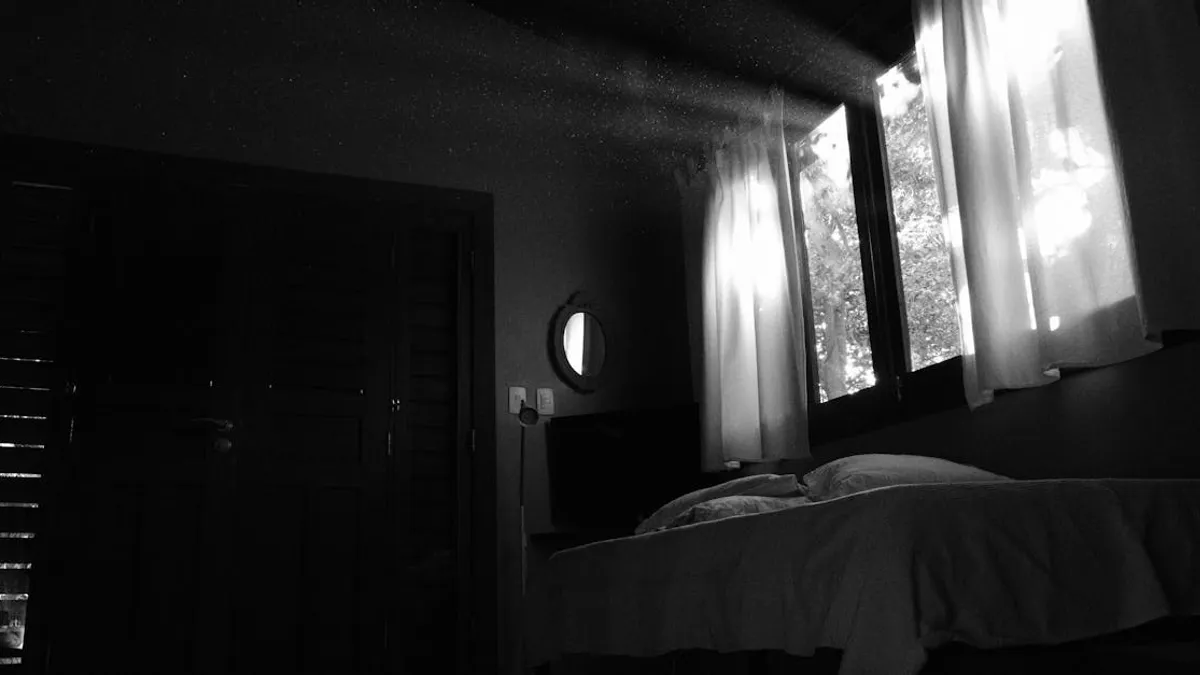
Your phone says 2:43 AM and you are wide awake, replaying the conversation where everything fell apart. Again. You have been staring at the ceiling for two hours, your heart racing like you just ran a marathon, even though you have been lying perfectly still.
Insomnia after a breakup hits differently than regular stress-induced sleeplessness. Your entire routine just imploded, your nervous system is stuck in threat mode, and your brain keeps scanning for danger that no longer exists. The result? Weeks or months of fractured sleep that can spiral into something more serious if you do not address it correctly.
Here is what actually happens to your sleep after a breakup, how long you can expect it to last, and the specific interventions that work — not the generic "practice good sleep hygiene" advice that misses the emotional component entirely.
Key Takeaway: Breakup insomnia typically peaks between weeks 2-4 and naturally resolves within 2-3 months for 70% of people. The remaining 30% develop chronic patterns, usually because emotional hyperarousal becomes paired with learned sleep anxiety.
Why Breakups Destroy Sleep (The Neuroscience)
Your brain processes emotional rejection as physical pain — literally. fMRI studies show that social rejection activates the same neural pathways as a broken bone. This is not metaphorical; your anterior cingulate cortex and right ventral prefrontal cortex light up identically whether you are nursing a sprained ankle or processing the end of a relationship.
The sleep disruption comes from three converging factors. First, your sympathetic nervous system gets stuck in overdrive. Cortisol and adrenaline flood your system at inappropriate times, particularly during the 3-4 AM cortisol awakening response that normally happens closer to 6 AM. Your body thinks it needs to stay alert for threats.
Second, attachment anxiety triggers hypervigilance. Your brain keeps scanning the environment for signs of your ex, for resolution, for closure that may never come. This hypervigilant state is incompatible with the neurological shift required for sleep onset.
Third, routine disruption compounds everything. If you shared a bed, a bedtime routine, or even just the predictable rhythm of another person in your space, that environmental consistency is gone. Your circadian system loses its external anchors right when your internal stress response is already chaotic.
Research from the University of Arizona found that people experiencing relationship dissolution show measurably altered sleep architecture for an average of 11 weeks post-breakup. REM sleep becomes fragmented, deep sleep decreases by 23%, and sleep onset latency (time to fall asleep) increases by an average of 47 minutes.
Try the Sleep Environment Score — audit your bedroom in 20 questions and get prioritized fixes. Free, works in your browser, no signup.
The Typical Timeline: What to Expect Week by Week
Weeks 1-2: Acute Phase Sleep disruption peaks immediately but often feels manageable because adrenaline can mask fatigue during the day. You might fall asleep from sheer exhaustion but wake frequently between 2-5 AM. Sleep efficiency (time asleep vs. time in bed) typically drops to 65-70% during this phase.
Weeks 3-5: The Crash This is when insomnia after a breakup becomes most problematic. The initial adrenaline fades but your nervous system remains dysregulated. Many people develop sleep anticipatory anxiety during this phase — going to bed becomes associated with lying awake ruminating. About 40% of people seek medical intervention during weeks 3-5.
Weeks 6-12: Resolution or Chronification Here is where paths diverge dramatically. For most people (roughly 70%), sleep gradually normalizes as emotional processing occurs and new routines solidify. Sleep efficiency climbs back toward 80-85%. However, 30% develop chronic insomnia patterns that persist beyond 3 months.
The difference often comes down to whether sleep anxiety becomes conditioned. If you spend weeks lying in bed awake and distressed, your brain starts associating your bedroom with wakefulness and rumination rather than sleep.
When Breakup Insomnia Becomes Chronic: Nina's Story
Nina, a 34-year-old marketing director, came to my clinic four months after her seven-year relationship ended. What started as predictable post-breakup sleep disruption had morphed into chronic insomnia that was affecting her work performance and overall health.
"The first month was awful, but I expected that," she told me. "By month two, I thought I was getting better. But then I started worrying about not sleeping, and now I lie there for hours every night, even though I am not really thinking about him anymore."
Nina's case illustrates the classic transition from acute stress insomnia to chronic insomnia disorder. Her initial sleep disruption was appropriate — her nervous system was processing a major life change. But because she did not address the sleep anxiety that developed around week 4, her insomnia became self-perpetuating.
Sleep studies showed that Nina's REM sleep remained fragmented and her deep sleep was still 30% below normal, four months post-breakup. More tellingly, her cortisol patterns showed elevation specifically around bedtime — a sign that her stress response had become conditioned to the sleep environment itself.
We implemented a targeted intervention combining cognitive behavioral therapy for insomnia (CBT-I) with short-term medication support. Within six weeks, her sleep efficiency improved from 58% to 81%, and her subjective sleep quality scores normalized.
Evidence-Based Recovery: What Actually Works
The most effective approach combines addressing the emotional hyperarousal with retraining your sleep system. Generic sleep hygiene advice misses half the equation because it does not account for the trauma response component.
Cognitive Behavioral Therapy for Insomnia (CBT-I) CBT-I remains the gold standard for insomnia treatment, including stress-induced cases. For breakup insomnia specifically, the cognitive restructuring component is crucial. You need to process the rumination patterns that keep your mind active at 3 AM.
A 2023 study in the Journal of Clinical Sleep Medicine found that people with relationship-related insomnia who received CBT-I showed 67% improvement in sleep efficiency within 8 weeks, compared to 23% improvement in those who received sleep hygiene education alone.
The key techniques include stimulus control (only use your bed for sleep), sleep restriction (temporarily limiting time in bed to consolidate sleep), and cognitive restructuring (addressing the catastrophic thoughts about both the relationship and the sleep loss).
Strategic Medication Support Short-term sleep medication can prevent acute insomnia from becoming chronic, but timing and selection matter. Research supports a 7-14 day course of low-dose zolpidem (5mg) or eszopiclone (1-2mg) during the acute phase, particularly weeks 2-4 when sleep disruption typically peaks.
The goal is not long-term sedation but rather preventing your brain from learning that your bed is a place of wakefulness and distress. Think of it as a circuit breaker while you implement behavioral changes.
Melatonin Timing and Dosing Most people use too much melatonin at the wrong time. For breakup insomnia, 0.3-0.5mg taken 3-4 hours before desired bedtime helps reset circadian timing without causing next-day grogginess. Higher doses (3-10mg) often backfire by causing rebound wakefulness around 3-4 AM.
The timing matters because you are not just trying to induce sleepiness — you are trying to anchor your circadian rhythm when your normal environmental cues (partner's schedule, shared routines) have disappeared.
Managing the 3 AM Wake-Ups
Early morning awakenings are the hallmark of stress-related sleep disruption. Your cortisol naturally rises around 4 AM to prepare for morning, but emotional stress shifts this spike earlier and makes it more dramatic.
When you wake at 3 AM, resist the urge to check your phone or start problem-solving. Your prefrontal cortex (rational thinking) is offline, but your limbic system (emotional processing) is hyperactive. Any attempt to "figure things out" will amplify the arousal.
Instead, use the 20-minute rule: if you are not back asleep within 20 minutes, get up and do a quiet, non-stimulating activity in dim light until you feel sleepy again. This prevents your brain from associating your bed with frustrated wakefulness.
Progressive muscle relaxation works particularly well during these middle-of-the-night awakenings because it gives your anxious energy somewhere to go. Start with your toes and systematically tense and release each muscle group for 5 seconds.
Understanding stress and sleep patterns can help you recognize when your nervous system is stuck in hyperarousal and needs specific interventions beyond basic relaxation techniques.
Preventing the Spiral: Early Intervention Strategies
The most important intervention happens in weeks 2-4, before sleep anxiety becomes conditioned. This is when you need to be most aggressive about protecting your sleep without becoming dependent on external aids.
Create new bedtime anchors immediately. If you used to watch Netflix together before bed, establish a different routine — reading, gentle stretching, or listening to podcasts. The goal is preventing your brain from scanning for the missing partner during your pre-sleep routine.
Address rumination directly during daytime hours. Set aside 15-20 minutes daily for "worry time" where you deliberately think through relationship concerns. This sounds counterintuitive, but contained rumination during the day reduces nighttime mental chatter.
Monitor your caffeine intake more strictly than usual. Emotional stress makes you more sensitive to stimulants, and caffeine consumed after 2 PM can significantly worsen sleep onset when your nervous system is already hyperaroused.
If you find yourself still struggling with sleep disruption beyond 6-8 weeks, or if you develop anxiety specifically about going to bed, consider this a comprehensive chronic insomnia guide that addresses the behavioral patterns that can become entrenched.
When to Seek Professional Help
Most breakup insomnia resolves naturally, but certain red flags indicate you need professional intervention sooner rather than later.
Seek help immediately if you experience less than 4 hours of sleep per night for more than a week, if you develop panic attacks related to bedtime, or if you start using alcohol or other substances to induce sleep.
Consider professional support if your sleep disruption persists beyond 8 weeks, if you develop anxiety specifically about sleeping, or if the insomnia is significantly impacting your work performance or physical health.
Sleep medicine physicians can prescribe targeted interventions and rule out other causes of insomnia that might have been unmasked by the emotional stress. Sometimes a breakup reveals underlying sleep disorders like sleep apnea or restless leg syndrome that were previously compensated for by your partner's presence or routine.
Frequently Asked Questions
How long does stress insomnia last? Acute stress insomnia typically lasts 2-8 weeks, with most people seeing improvement by week 6. However, without intervention, about 30% of cases transition to chronic insomnia lasting 3+ months.
Will this become chronic insomnia? Most breakup insomnia resolves naturally within 2-3 months. It becomes chronic when poor sleep habits develop or when the emotional stress remains unprocessed for extended periods.
Should I take sleep medication? Short-term sleep aids (7-14 days) can prevent the cycle from worsening, but they should be combined with behavioral strategies. Avoid long-term use which can create dependency.
Why am I waking up at 3 AM after my breakup? Early morning awakenings happen because stress hormones like cortisol spike around 3-4 AM. Your brain interprets emotional pain as physical threat, keeping you in hypervigilant mode.
Can breakup insomnia last months? Yes, about 25% of people experience sleep disruption for 3-6 months post-breakup. This often occurs when the breakup triggers deeper attachment trauma or when multiple life stressors compound.
Your next step is simple but specific: tonight, establish one new bedtime routine that has nothing to do with your ex-partner. Whether it is 10 minutes of reading, a specific playlist, or a cup of herbal tea, create one consistent anchor for your nervous system. Do this same routine for the next seven nights, regardless of how you sleep. You are not trying to force sleep — you are giving your brain a new pattern to latch onto while your emotional system heals.
Frequently asked questions
Keep going
Science-backed help, delivered daily. No gadget reviews, no affiliate links. Just what works.
Sleep better tonight.
One short, practical email a day with real sleep science and techniques you can use before bed. Unsubscribe anytime.
Keep reading
Can't Sleep the Night Before Travel? Here's How to Fix It
Pre-travel insomnia hits even good sleepers. Learn why excitement disrupts sleep and get a research-backed protocol to rest before your trip.
Can't Sleep Before a Big Event? How to Actually Prep Your Mind and Body
Pre-performance insomnia is real and predictable. Here's what sleep science says about managing anxiety-driven sleeplessness before interviews, exams, and big days.

Acute Insomnia: When Bad Sleep Won't Become Chronic
Acute insomnia affects 75% of adults but usually resolves within weeks. Learn when to wait it out vs. intervene, and why aggressive treatment can backfire.

Grief and Sleep: Why You Can't Sleep After Loss (And When It Gets Better)
Grief disrupts sleep in 90% of mourners through stress hormones and racing thoughts. Here's the timeline for recovery and when to seek help.