Can't Get Back to Sleep After Waking Up? Here's the Science-Backed Fix
The 15-minute rule and why lying in bed awake makes middle-of-the-night insomnia worse. Evidence-based strategies to fall back asleep fast.
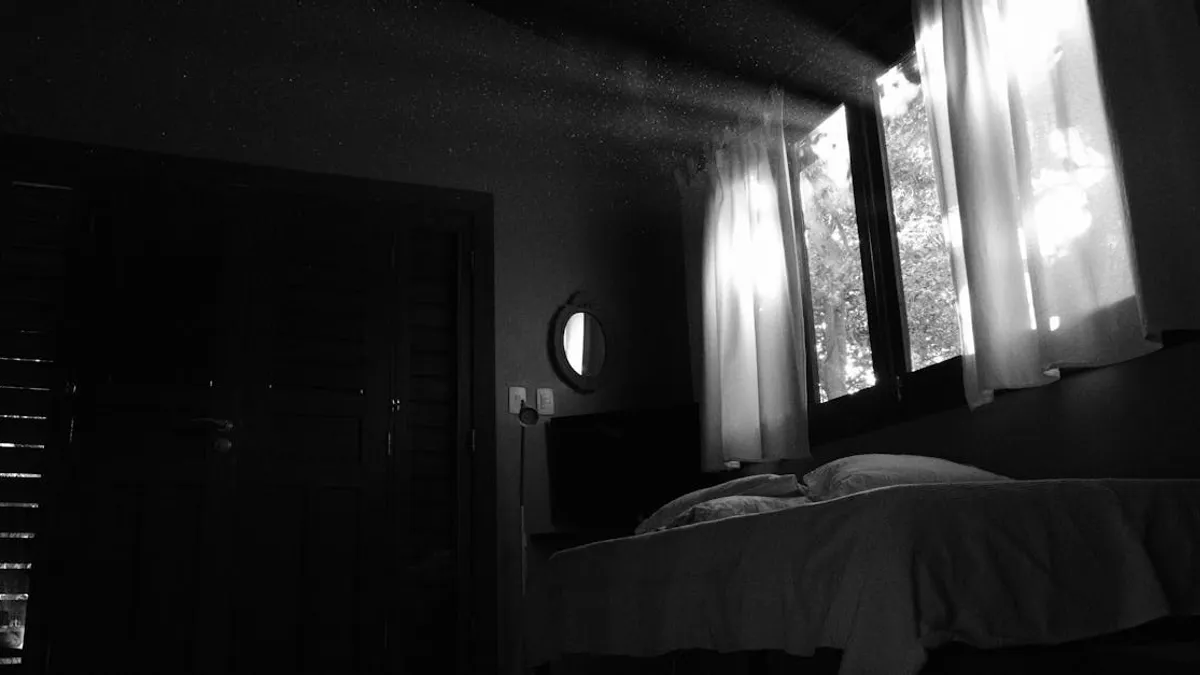
You bolt awake at 2:43 a.m. Again. Your mind immediately starts the familiar spiral — tomorrow's presentation, that weird thing your coworker said, whether you remembered to lock the front door. Twenty minutes later, you're still staring at the ceiling, and now you're also calculating how many hours of sleep you'll get if you fall asleep right now.
This is sleep maintenance insomnia, and if you can't get back to sleep after waking up, you're fighting your brain's natural wiring. The harder you try to force sleep, the more elusive it becomes. But there's a counterintuitive fix that sleep medicine has been using for decades.
Why You Can't Get Back to Sleep: The Conditioned Arousal Trap
Your brain learns associations faster than you realize. Every time you lie awake in bed feeling frustrated, you're teaching your nervous system that bed equals alertness, not sleep. Sleep researchers call this "conditioned arousal" — your bedroom becomes a cue for wakefulness instead of rest.
A 2019 study in the Journal of Clinical Sleep Medicine found that people who stayed in bed when they couldn't sleep took an average of 47 minutes longer to fall back asleep compared to those who got up and did quiet activities. The bed-stayers also reported higher anxiety levels and more frequent middle-of-the-night awakenings over the following weeks.
Key Takeaway: Lying awake in bed for more than 15-20 minutes actually trains your brain to be alert in your bedroom, making future sleep problems worse. Getting up breaks this cycle.
Your sympathetic nervous system doesn't distinguish between lying awake worried about sleep and lying awake worried about a work deadline — it just knows you're alert and horizontal, which creates a confusing signal. Sleep is supposed to happen when you're relaxed, not when you're mentally wrestling with consciousness.
Try the Sleep Environment Score — audit your bedroom in 20 questions and get prioritized fixes. Free, works in your browser, no signup.
The 15-Minute Rule: When to Get Out of Bed
If you can't get back to sleep within 15 minutes of waking up, get out of bed. Don't check the clock obsessively — estimate the time. If you're still mentally active, ruminating, or feeling frustrated, that's your cue to move.
This isn't arbitrary. Sleep studies consistently show that healthy sleepers fall back asleep within 5-20 minutes of brief awakenings. If you're regularly taking longer than 30 minutes, you're dealing with a sleep disorder that needs intervention, not willpower.
The 15-minute rule comes from Cognitive Behavioral Therapy for Insomnia (CBT-I), the gold standard treatment for sleep maintenance problems. It's called "stimulus control," and it works by re-establishing your bed as a place where sleep actually happens.
What Counts as "Trying to Sleep"
You're trying too hard if you're:
- Consciously controlling your breathing
- Mentally reviewing your day or tomorrow's tasks
- Feeling physically tense or restless
- Calculating hours of sleep remaining
- Feeling frustrated or anxious about being awake
Natural sleep happens when your mind wanders and your body relaxes without effort. If you're actively doing something to fall asleep, you're probably keeping yourself awake.
What to Do When You Can't Get Back to Sleep
Leave your bedroom and do something boring in dim light. The activity should be unstimulating enough that you'll naturally feel drowsy within 20-30 minutes, but engaging enough that you're not lying there ruminating.
Low-Stimulation Activities That Work
Read something genuinely boring. Not a thriller or your favorite novel — try a technical manual, a textbook from college, or poetry you don't particularly enjoy. The goal is mild mental engagement without emotional activation.
Do a repetitive, quiet task. Fold laundry, organize a drawer, or work on a simple puzzle. Avoid anything that requires problem-solving or creativity.
Try progressive muscle relaxation. Systematically tense and release muscle groups starting with your toes. This gives your mind something to focus on besides your racing thoughts.
Write down your worries. Keep a notebook in another room specifically for 3 a.m. anxiety dumps. Writing them down often reduces their mental grip.
What to Avoid
Don't check your phone, even for "just a minute." The blue light exposure can suppress melatonin for up to 90 minutes, and the dopamine hit from notifications will make you more alert.
Avoid the kitchen unless you're genuinely hungry. Eating signals to your circadian system that it's daytime, which can shift your sleep schedule.
Don't do anything in bright light. Use a small lamp or nightlight — just enough to see safely.
The Paradoxical "Give Up Trying" Effect
Here's the strangest part: the moment you genuinely stop trying to fall asleep, you often do. Sleep researchers call this "paradoxical intention" — deliberately staying awake can trigger the relaxation response that leads to sleep.
This works because trying to sleep activates your sympathetic nervous system, the same system responsible for fight-or-flight responses. When you stop efforting and accept that you might be awake for a while, your parasympathetic nervous system (responsible for rest and digest) can finally take over.
A 2021 study found that insomnia patients who practiced paradoxical intention fell asleep 38% faster than those using traditional relaxation techniques. The key is genuinely letting go of the goal, not just pretending to give up while still secretly trying.
Why This Gets Worse Over Time (And How to Break the Cycle)
Every night you lie awake creates stronger associations between your bed and wakefulness. Your brain is incredibly good at pattern recognition — if bed has meant "worry time" for weeks or months, that's what it will continue to expect.
Cortisol and sleep patterns also play a role. Chronic stress can cause cortisol to spike at inappropriate times, including the middle of the night. This creates a vicious cycle: poor sleep increases stress hormones, which makes it harder to maintain sleep, which increases stress about sleep.
Breaking this cycle requires consistency with the 15-minute rule for at least 2-3 weeks. Your brain needs time to relearn that bed equals sleep, not anxiety.
The Reconditioning Process
Week 1: You'll probably get up multiple times per night. This feels counterproductive but is necessary to break the old associations.
Week 2: You may notice you're falling back asleep faster when you do return to bed, even if you're still waking up frequently.
Week 3: Most people see a reduction in the number of times they need to get up, and total time awake decreases.
By week 4, many people find they're sleeping through the night more consistently, or when they do wake up, they can fall back asleep without getting out of bed.
When the Problem Isn't Just Behavioral
Sometimes you can't get back to sleep because of underlying medical issues that no amount of stimulus control will fix. Sleep apnea, restless leg syndrome, hormonal changes, or medication side effects can all cause persistent middle-of-the-night awakenings.
Red flags that suggest you need medical evaluation:
- Loud snoring followed by gasping or choking sounds
- Waking up with headaches or feeling unrefreshed despite adequate sleep time
- Restless legs or periodic limb movements during sleep
- Night sweats or hot flashes
- Frequent urination that wakes you up
As of 2026, sleep medicine has become much more sophisticated about identifying and treating these underlying causes. A sleep study can reveal issues that aren't obvious during waking hours.
Frequently Asked Questions
Why do I keep waking up at the same time every night? Habitual wake times often result from stress hormones like cortisol spiking at predictable hours, or your circadian rhythm being disrupted by light exposure, eating patterns, or medication timing.
Is waking up at night normal? Yes, most adults wake up 3-5 times per night naturally. The problem isn't waking up — it's when you can't fall back asleep within 10-20 minutes.
How fast should I fall back asleep after waking up? Healthy sleepers typically fall back asleep within 5-20 minutes. If it regularly takes longer than 30 minutes, you likely have sleep maintenance insomnia that needs treatment.
Should I check the time when I wake up at night? No. Clock-watching increases anxiety and makes it harder to fall back asleep. Turn your clock away from the bed or cover the display.
Does getting up make me more awake? Counterintuitively, no. Getting up breaks the cycle of frustration and conditioned arousal that builds when you lie awake. Most people feel sleepier after 20-30 minutes of boring activity.
Your Next Step Tonight
Set a timer for 15 minutes and place it across the room, not on your nightstand. If you wake up tonight and can't get back to sleep, estimate whether you've been trying for about 15 minutes. If so, get up and read something boring in dim light until you feel genuinely drowsy. Then return to bed.
Don't expect this to work perfectly the first night — you're retraining patterns that may have been months or years in the making. Consistency over the next 2-3 weeks will determine whether you break the cycle of lying awake or continue reinforcing it.
Frequently asked questions
Keep going
Science-backed help, delivered daily. No gadget reviews, no affiliate links. Just what works.
Sleep better tonight.
One short, practical email a day with real sleep science and techniques you can use before bed. Unsubscribe anytime.
Keep reading

Why Anxiety Wakes You Up at Night (And How to Stop the 3AM Panic)
That 3am anxiety surge isn't random. Here's the brain science behind middle-of-the-night anxiety and proven techniques to break the cycle tonight.

Bedtime Anxiety: Why Your Bed Feels Like a Threat (And How to Fix It)
When your bed triggers anxiety instead of sleep, you've developed conditioned arousal. Here's the science behind bedtime anxiety and proven methods to break the cycle.

Chronic Insomnia: The Complete Guide to Breaking the Cycle
Learn what chronic insomnia really is, why it persists, and evidence-based treatments that work. From the 3P model to CBT-I solutions.

CBT-I: The Complete Guide to the Gold Standard for Insomnia Treatment
CBT-I has a 70-80% success rate for chronic insomnia. Here's the six-component breakdown, timeline, and how to access this evidence-based treatment.