Parasomnias: The Complete Guide to Weird Things That Happen in Sleep
From sleepwalking to REM behavior disorder, understand the strange things your brain does during sleep and when to worry about them.
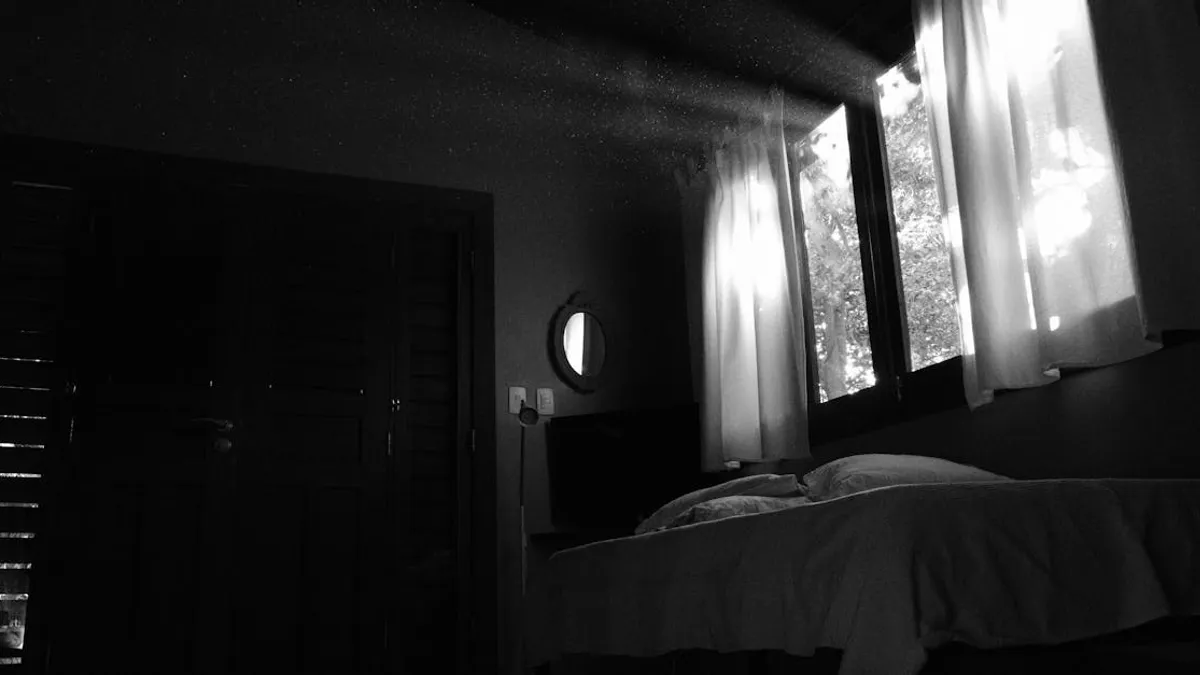
Your partner tells you that last night, you sat up in bed, had a full conversation about work deadlines, then got up and tried to make coffee at 2 a.m. You remember none of it. Or maybe you wake up with bruises on your arms and your spouse sleeping on the couch because you were "fighting someone" in your dreams all night.
Welcome to the world of parasomnias — the umbrella term for all the strange, sometimes alarming things your brain can do while you sleep. These aren't just quirky sleep habits. They're complex neurological events that happen when different parts of your sleep system don't coordinate properly.
About 15% of adults experience some form of parasomnia, but many cases go undiagnosed because people either don't remember the episodes or dismiss them as "weird dreams." The reality is more nuanced. Some parasomnias are harmless quirks that you'll outgrow. Others can be dangerous. And a few — particularly in older adults — may be early warning signs of serious neurological conditions.
Key Takeaway: Parasomnias occur when your brain gets stuck between sleep stages, causing complex behaviors while you're technically still asleep. Most are triggered by sleep loss, stress, or certain medications, but the type and timing can reveal important information about your neurological health.
What Actually Happens in Your Brain During Parasomnias
Your brain doesn't flip a simple on-off switch between wake and sleep. Instead, it moves through distinct stages: light sleep, deep sleep, and REM (rapid eye movement) sleep. Parasomnias happen when this process gets disrupted.
Think of it like a symphony orchestra where some musicians are playing the "awake" piece while others are still on the "asleep" movement. Your motor cortex might be active enough to walk around, but your prefrontal cortex — the part that handles judgment and memory formation — is still offline. That's why people can perform complex actions during parasomnias but have no memory of them.
The timing matters enormously. Parasomnias that occur during NREM (non-REM) sleep typically happen in the first third of the night when deep sleep is most prominent. REM parasomnias usually strike in the early morning hours when REM sleep peaks.
This timing difference isn't just academic. It helps doctors understand what's going wrong and, crucially, what it might predict about your future health.
NREM Parasomnias: When Deep Sleep Goes Wrong
NREM parasomnias emerge from the deepest stages of sleep, when your brain waves are slowest and your body should be most still. These episodes typically last 5-15 minutes and occur within the first few hours after falling asleep.
Sleepwalking: More Than Just Walking
Despite the name, sleepwalking involves much more than aimless wandering. People can cook elaborate meals, rearrange furniture, or even drive cars — all while their conscious mind is completely offline.
Adult sleepwalking affects about 4% of the population and often runs in families. If both parents sleepwalk, their children have a 60% chance of developing it too. The episodes usually begin with the person sitting up in bed with a blank, staring expression. They might mumble incoherently or respond to questions with simple phrases that don't quite make sense.
The real danger lies in the complexity of modern sleepwalking. Unlike children who typically just wander around the house, adults can engage in elaborate behaviors. I've seen patients who've cooked entire meals on hot stoves, left their homes in winter wearing only underwear, and even attempted to drive to work at 3 a.m.
Sleep Terrors: Not Just Bad Dreams
Night terrors in adults are fundamentally different from nightmares. While nightmares happen during REM sleep and you usually remember them, sleep terrors occur during deep NREM sleep and leave no memory trace.
A typical episode begins with a piercing scream or cry of terror. The person sits up abruptly, eyes wide open but unseeing, heart racing at 120+ beats per minute. They might thrash around, run from the bed, or fight off invisible attackers. Their body is flooded with adrenaline, causing profuse sweating and rapid breathing.
Here's what makes them particularly disturbing for family members: the person experiencing the terror isn't actually afraid. They're not conscious enough to feel fear. The screaming and thrashing are automatic responses from brain regions that control fight-or-flight reactions.
Adult sleep terrors are less common than childhood versions, affecting only 1-2% of adults. When they do occur in adults, they're often linked to severe stress, PTSD, or certain medications.
Confusional Arousals: The Fog of Sleep
These episodes look like someone waking up, but their brain hasn't fully made the transition. The person might sit up, look around, and even answer questions, but their responses are slow, inappropriate, or completely nonsensical.
Confusional arousals can last anywhere from a few minutes to several hours. During this time, the person might perform routine activities like getting dressed or brushing their teeth, but in a mechanical, zombie-like manner. They often have poor coordination and may bump into furniture or walls.
Unlike sleepwalking, people experiencing confusional arousals typically stay in or near their bed. They're more likely to be confused than active, though they can become agitated if someone tries to wake them fully.
Sleep-Related Eating Disorder: Midnight Kitchen Adventures
This parasomnia involves eating episodes during sleep, often with no memory of the event. People might consume strange food combinations — like raw bacon with peanut butter — or non-food items like soap or paper.
Sleep-related eating affects about 1-3% of adults and is more common in women. Unlike conscious nighttime eating (which people remember), these episodes happen during NREM sleep. People often discover evidence the next morning: empty food containers, crumbs in bed, or kitchen messes they can't explain.
The foods chosen during these episodes are typically high-calorie and easily accessible. People rarely cook elaborate meals but might eat entire loaves of bread, whole jars of peanut butter, or frozen foods straight from the freezer.
REM Parasomnias: When Dreams Leak Into Reality
REM parasomnias occur during the dream-rich phase of sleep, usually in the second half of the night. Unlike NREM parasomnias, people often remember these episodes because their dream recall systems are active.
REM Behavior Disorder: Acting Out Dreams
Normally, your body is paralyzed during REM sleep to prevent you from acting out your dreams. In REM behavior disorder (RBD), this protective paralysis fails, allowing people to physically enact their dreams.
RBD episodes typically involve action-packed dreams where the person is defending themselves or others. They might punch, kick, jump out of bed, or shout. Unlike sleepwalking, these movements are coordinated and purposeful within the context of the dream.
The concerning aspect of RBD isn't just the immediate injury risk (though that's real — people can seriously hurt themselves or their bed partners). It's what RBD might predict. Research shows that 70-80% of people with RBD will develop a neurodegenerative disease like Parkinson's within 10-15 years.
This connection exists because RBD and Parkinson's both involve the same brain regions that produce dopamine and regulate movement. RBD may be the canary in the coal mine — an early warning system that these crucial brain areas are beginning to deteriorate.
Nightmare Disorder: When Bad Dreams Take Over
Everyone has occasional nightmares, but nightmare disorder involves frequent, severe nightmares that significantly impact daily functioning. The dreams are vivid, terrifying, and often involve themes of survival, physical danger, or psychological threat.
People with nightmare disorder typically remember their dreams in disturbing detail. The emotional impact can last for hours or days, affecting mood, concentration, and willingness to sleep. Many develop anticipatory anxiety about going to bed, which can worsen insomnia.
Nightmare disorder affects about 4% of adults and is strongly linked to trauma, PTSD, anxiety disorders, and certain medications (particularly antidepressants and beta-blockers).
Sleep Paralysis: Awake but Unable to Move
Sleep paralysis occurs when you become conscious during REM sleep but your body remains paralyzed. You're awake and aware of your surroundings but completely unable to move or speak. Episodes typically last 1-3 minutes but can feel much longer.
Many people experience hallucinations during sleep paralysis — seeing shadowy figures, feeling a presence in the room, or sensing someone sitting on their chest. These hallucinations result from dream imagery bleeding into waking consciousness.
Sleep paralysis affects about 8% of the general population but is much more common in people with irregular sleep schedules, sleep deprivation, or underlying sleep disorders like narcolepsy.
What Triggers Parasomnia Episodes
Understanding triggers can help you reduce episode frequency and intensity. The most common triggers include:
Sleep deprivation is the biggest culprit. When you're severely sleep-deprived, your brain tries to make up for lost deep sleep by diving into it more aggressively. This can destabilize the normal sleep architecture and trigger NREM parasomnias.
Alcohol is particularly problematic. While it might help you fall asleep initially, alcohol fragments your sleep and increases deep sleep in the first half of the night. This rebound effect can trigger sleepwalking and sleep terrors.
Medications can be major triggers, especially Z-drugs like Ambien (zolpidem), Lunesta (eszopiclone), and Sonata (zaleplon). These medications can cause complex sleep behaviors including sleep-driving, sleep-cooking, and sleep-shopping with no memory of the events.
Stress and anxiety don't just keep you awake — they can also trigger parasomnias once you finally fall asleep. The stress hormone cortisol can disrupt normal sleep stage transitions.
Fever in children and adults can trigger NREM parasomnias by affecting brain temperature regulation during sleep.
Irregular sleep schedules — common in shift workers — can destabilize your circadian rhythm and increase parasomnia risk.
The Genetic Connection: Why Parasomnias Run in Families
Parasomnias have a strong genetic component, particularly NREM parasomnias. Studies of twins show that sleepwalking has a heritability rate of about 80% — meaning genetics account for most of the risk.
The genetic link is so strong that if one identical twin sleepwalks, the other has a 65% chance of also sleepwalking. For fraternal twins, that number drops to 30%, confirming that specific genes (not just shared environment) influence parasomnia risk.
Researchers have identified several candidate genes involved in sleep regulation, particularly those affecting GABA (the brain's main inhibitory neurotransmitter) and adenosine (which builds up during wakefulness and promotes sleep). Variations in these genes may make some people more susceptible to the brain state instabilities that cause parasomnias.
This genetic predisposition doesn't mean parasomnias are inevitable. Environmental factors like sleep hygiene, stress management, and avoiding triggers can significantly reduce episode frequency even in genetically susceptible individuals.
When Parasomnias Signal Bigger Problems
While most parasomnias are benign, some patterns should prompt immediate medical evaluation:
New-onset RBD in adults over 50 is particularly concerning. Unlike childhood parasomnias that often resolve with age, adult-onset RBD typically worsens over time and strongly predicts future neurodegenerative disease.
Violent or injurious episodes require evaluation regardless of age. If you or your bed partner are getting hurt during episodes, you need professional help to ensure safety and identify underlying causes.
Parasomnias that worsen despite good sleep hygiene may indicate an underlying sleep disorder like sleep apnea or periodic limb movement disorder. These conditions can fragment sleep and trigger parasomnias.
Episodes accompanied by daytime symptoms like excessive sleepiness, memory problems, or mood changes may signal more complex sleep disorders or neurological conditions.
Getting the Right Diagnosis: When You Need a Sleep Study
Not everyone with parasomnias needs a formal sleep study, but certain situations warrant comprehensive evaluation:
Video polysomnography (a sleep study with video recording) is the gold standard for diagnosing complex parasomnias. This test can differentiate between different types of parasomnias, identify triggers like sleep apnea, and rule out seizure disorders that can mimic parasomnias.
You should consider a sleep study if:
- Episodes are frequent (more than once per week)
- You or others are getting injured during episodes
- Episodes began in adulthood, especially after age 50
- You have other symptoms suggesting sleep apnea or restless leg syndrome
- Episodes don't improve with basic sleep hygiene measures
The sleep study will record your brain waves, muscle activity, heart rhythm, breathing, and movements throughout the night. If you have an episode during the study, the video recording combined with the physiological data can provide definitive diagnosis.
Treatment Approaches That Actually Work
Treatment for parasomnias depends on the type, frequency, and underlying triggers. Here's what the research supports:
Safety First Measures
For all parasomnias involving movement, safety modifications are essential:
- Remove sharp objects, furniture with corners, or breakable items from the bedroom
- Install locks or alarms on exterior doors
- Consider sleeping on the ground floor to avoid stairs
- Use door alarms that sound when opened
- Secure windows, especially in upper-floor bedrooms
Addressing Underlying Triggers
Sleep hygiene optimization can dramatically reduce episode frequency:
- Maintain consistent sleep and wake times, even on weekends
- Ensure 7-9 hours of sleep opportunity nightly
- Create a cool, dark, quiet sleep environment
- Avoid alcohol within 3 hours of bedtime
- Limit caffeine after 2 p.m.
Stress management is crucial for stress-triggered parasomnias. Techniques like progressive muscle relaxation, meditation, or cognitive behavioral therapy can help reduce the psychological triggers.
Medication review is essential. If you're taking Z-drugs and experiencing parasomnias, discuss alternatives with your doctor. Sometimes switching to a different sleep medication or adjusting the dose can eliminate episodes.
Medical Treatments
Clonazepam is often prescribed for RBD and can be highly effective at reducing episode frequency and intensity. It works by enhancing GABA activity in the brain, helping stabilize sleep stages.
Antidepressants may help with nightmare disorder, particularly prazosin for trauma-related nightmares and certain SSRIs for general nightmare reduction.
Scheduled awakening can help with NREM parasomnias in some people. This involves waking the person 15-30 minutes before their typical episode time, disrupting the sleep stage transition that triggers the parasomnia.
Living With Parasomnias: Practical Daily Strategies
If you have parasomnias, certain lifestyle adjustments can reduce episode frequency and improve safety:
Sleep debt management is crucial. Even one night of significant sleep loss can trigger episodes in susceptible individuals. If you know you'll have a short sleep night, try to "bank" extra sleep in the days before.
Travel considerations matter because new environments and schedule changes can trigger episodes. When traveling:
- Request ground-floor hotel rooms
- Bring portable door alarms
- Maintain your regular sleep schedule as much as possible
- Avoid alcohol during travel days
Communication with bed partners is essential. They should know not to try to wake you during episodes but instead to gently guide you back to bed if you're moving around. They should also know when to seek emergency help (if you're in immediate danger).
Work and social considerations may be necessary. If your job involves safety-sensitive tasks, you may need to discuss your condition with occupational health services. Some people with severe parasomnias benefit from sleeping alone during treatment.
The Future of Parasomnia Research
Emerging research is revealing new insights about parasomnias and their connections to other health conditions. Scientists are investigating:
Biomarkers for neurodegeneration in RBD patients, hoping to identify who will develop Parkinson's and potentially intervene earlier.
Genetic therapies that might eventually prevent or treat parasomnias by targeting the specific gene variants that increase susceptibility.
Advanced sleep monitoring using wearable devices and smartphone apps to better track and predict parasomnia episodes.
Novel medications that target specific neurotransmitter systems involved in sleep stage transitions.
Frequently Asked Questions
Are parasomnias dangerous? Most parasomnias are harmless, but some can lead to injury. Sleepwalking and REM behavior disorder pose the highest risk for physical harm to yourself or your bed partner.
Can you be woken up during a parasomnia? It's difficult and not recommended. People experiencing NREM parasomnias are in deep sleep and may be confused or agitated if awakened. It's safer to gently guide them back to bed.
Do parasomnias get worse with age? NREM parasomnias like sleepwalking often improve with age, while REM parasomnias like RBD typically worsen and may signal underlying neurological changes.
Is RBD linked to Parkinson's disease? Yes, REM behavior disorder can be an early sign of Parkinson's disease or other neurodegenerative conditions, appearing years or decades before other symptoms.
What triggers parasomnia episodes? Common triggers include sleep deprivation, stress, alcohol, certain medications (especially Z-drugs like Ambien), fever, and irregular sleep schedules.
If you're experiencing parasomnias, start by keeping a sleep diary for two weeks. Record your sleep and wake times, any episodes you remember or that others report, potential triggers like stress or alcohol, and how you feel the next day. This information will be invaluable if you decide to see a sleep specialist and can help you identify patterns and triggers in your own sleep.
Frequently asked questions
Keep going
Science-backed help, delivered daily. No gadget reviews, no affiliate links. Just what works.
Sleep better tonight.
One short, practical email a day with real sleep science and techniques you can use before bed. Unsubscribe anytime.
Keep reading

Acute Insomnia: When Bad Sleep Won't Become Chronic
Acute insomnia affects 75% of adults but usually resolves within weeks. Learn when to wait it out vs. intervene, and why aggressive treatment can backfire.
Sleep Drunkenness (Confusional Arousal): When Waking Feels Brutal
Sleep drunkenness makes waking up feel like swimming through molasses. Learn what causes severe sleep inertia and when it signals a deeper sleep disorder.

Every Type of Insomnia, Explained: Which One Is Keeping You Awake?
Can't sleep? The specific type of insomnia you have determines the best treatment. Here's how to identify yours and what actually works for each.

Chronic Insomnia: The Complete Guide to Breaking the Cycle
Learn what chronic insomnia really is, why it persists, and evidence-based treatments that work. From the 3P model to CBT-I solutions.